
Sustainable Fat Loss in London: A No-Nonsense Nutrition Guide
Stop chasing quick fixes. This is the nutrition approach that actually works for long-term fat loss, written for Londoners who want to lose fat and keep it off.
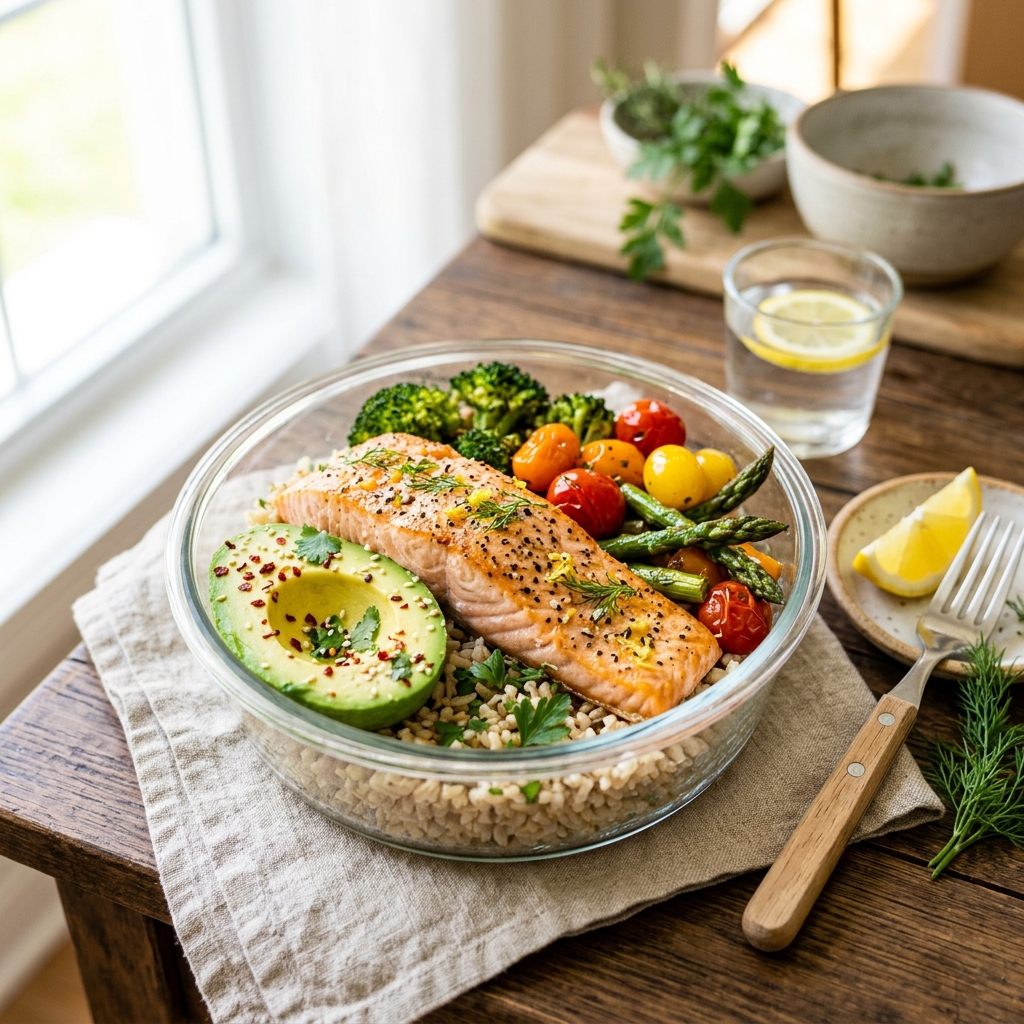
In short
Sustainable fat loss requires a modest calorie deficit of 300 to 500 calories per day, 1.6 to 2.2g of protein per kg of bodyweight, plenty of vegetables and a structure you can maintain for years. Aim to lose 0.5 to 1 percent of bodyweight per week. Fad diets fail because they are temporary by design.
There is no shortage of fat loss advice in London. Every tube station has a poster for a new diet. Every Instagram influencer has a magic protocol. Every doctor will tell you to eat less and move more. The problem is not lack of information. It is lack of execution. This article covers the nutrition principles that actually produce sustainable fat loss, based on coaching dozens of Londoners through the process.
Why most fat loss diets fail
Most diets fail because they are designed to be temporary. You cut carbs, eat 1200 calories, survive on shakes or fast for 16 hours a day. You lose some weight. Then you go back to eating normally and the weight comes back, often with interest. This is not a willpower failure. It is a design failure.
Sustainable fat loss requires an approach you can maintain for years. Not 12 weeks. Years. If your diet requires you to be miserable, you will not stick to it. If your diet excludes foods you love, you will binge on them eventually. If your diet is complicated, life will get in the way.
The 4 principles of sustainable fat loss
1. Modest calorie deficit
Fat loss requires a calorie deficit. There is no way around the physics. But the size of the deficit matters. A modest deficit of 300 to 500 calories per day produces 0.5 to 1 pound of fat loss per week while preserving muscle and keeping hunger manageable. Aggressive deficits of 1000+ calories produce faster initial weight loss but trigger metabolic adaptation, muscle loss and rebound bingeing.
2. High protein
Protein is the most important macronutrient for fat loss. It preserves muscle while you lose fat, it is the most satiating macronutrient (it keeps you full), and it has the highest thermic effect (your body burns more calories digesting protein than carbs or fat). Aim for 1.6 to 2.2g of protein per kg of bodyweight per day. For an 80 kg person, that is 130 to 175g of protein daily.
3. Plenty of fibre
Fibre from vegetables, fruit, legumes and whole grains keeps you full, feeds your gut microbiome and stabilises blood sugar. Most Londoners eat half the recommended 30g of fibre per day. Doubling your vegetable intake is one of the simplest and most effective fat loss interventions you can make.
4. A structure you can maintain
Your nutrition needs to fit your actual life: your work schedule, your family, your social life, your culture, your food preferences. If your diet requires you to cook different meals from your family, skip every social dinner or eat foods you hate, it will not last. Build your nutrition around what you already eat, with sensible adjustments.
How fast should you lose fat?
A sustainable rate of fat loss is 0.5 to 1 percent of body weight per week. For a 90 kg person, that is 0.45 to 0.9 kg per week. Faster than this usually means muscle loss, water loss or a deficit you cannot maintain. Slower than this is fine if you have less to lose.
Most clients I work with lose 4 to 8 kg in the first 12 weeks while improving strength. This is not a transformation programme. It is a sustainable fat loss programme. The difference is that the weight stays off because the habits that produced the loss are maintainable.
What to actually eat
There is no magic food list. But there is a sensible structure that works for most people:
Protein sources
- Chicken, turkey, beef, pork, lamb
- Fish (salmon, tuna, cod, mackerel, sardines)
- Eggs
- Greek yogurt, cottage cheese
- Tofu, tempeh, edamame (for plant-based)
- Lentils, chickpeas, beans
- Protein powder (whey or plant-based) for convenience
Carbohydrate sources
- Rice, pasta, bread (yes, really, in sensible portions)
- Potatoes, sweet potatoes
- Oats
- Fruit of all kinds
- Legumes
Fat sources
- Olive oil, avocado oil
- Avocados
- Nuts and seeds
- Fatty fish
- Egg yolks
Vegetables
All of them. Aim for 5 to 8 portions per day across different colours. If you currently eat 1 to 2 portions, doubling this is the single biggest change you can make.
Do you need to count calories?
Not forever. Tracking for 2 to 4 weeks is useful to understand what you are actually eating. Most people dramatically underestimate their intake. Once you have calibrated, you can switch to habit-based eating: protein at every meal, vegetables at every meal, sensible portions, minimal snacking.
Some people prefer to track long-term and find it empowering. Others find it triggers disordered eating. There is no universally right answer. The right approach is the one you can sustain.
Eating out in London without wrecking your progress
London has one of the best food scenes in the world. Restricting yourself to home-cooked meals forever is not sustainable. The strategy that works:
- Eat protein and vegetables before you go out so you are not ravenous
- Order a protein main and a side of vegetables
- Have the bread, the dessert or the wine. Not all three.
- Enjoy the meal without guilt. One meal does not undo a week of consistency.
- Return to your normal structure the next meal. Do not starve to compensate.
Coach's note
If you are tired of diet cycles and want a nutrition approach that actually fits your life, the Nutrition and Healthy Lifestyle Coaching program is built for exactly this. Real food, real structure, real sustainability. Book a free consultation to see if it is right for you.
The bottom line
Sustainable fat loss is not about finding the right diet. It is about building the right habits. A modest calorie deficit, plenty of protein, lots of vegetables and a structure that fits your actual life will produce results that last. Slow and unsexy, but it works. Everything else is marketing.
Common questions
How much weight can I lose in a month safely?
A safe and sustainable rate of fat loss is 2 to 4 kg per month for most people. This assumes a modest calorie deficit of 300 to 500 calories per day and adequate protein. Faster weight loss usually involves muscle loss and is harder to maintain.
Do I need to cut carbs to lose fat?
No. Carbs do not cause fat gain. Excess calories do. Low-carb diets can work for fat loss because they often create a calorie deficit, but they are not necessary and not superior to other approaches for sustainable fat loss.
How much protein should I eat for fat loss?
Aim for 1.6 to 2.2g of protein per kg of bodyweight per day. For an 80 kg person, that is 130 to 175g daily. Protein preserves muscle during fat loss, keeps you full and has the highest thermic effect of any macronutrient.
Can I lose fat without exercise?
Yes, fat loss is driven primarily by nutrition. Exercise helps preserve muscle, improves health and allows you to eat more while still losing fat. But you cannot out-train a bad diet. The combination of nutrition and strength training is the most effective approach.
Train with me in London.
Book a free 45-minute taster session and experience the coaching behind these articles. No commitment, no pressure.
Book your free session